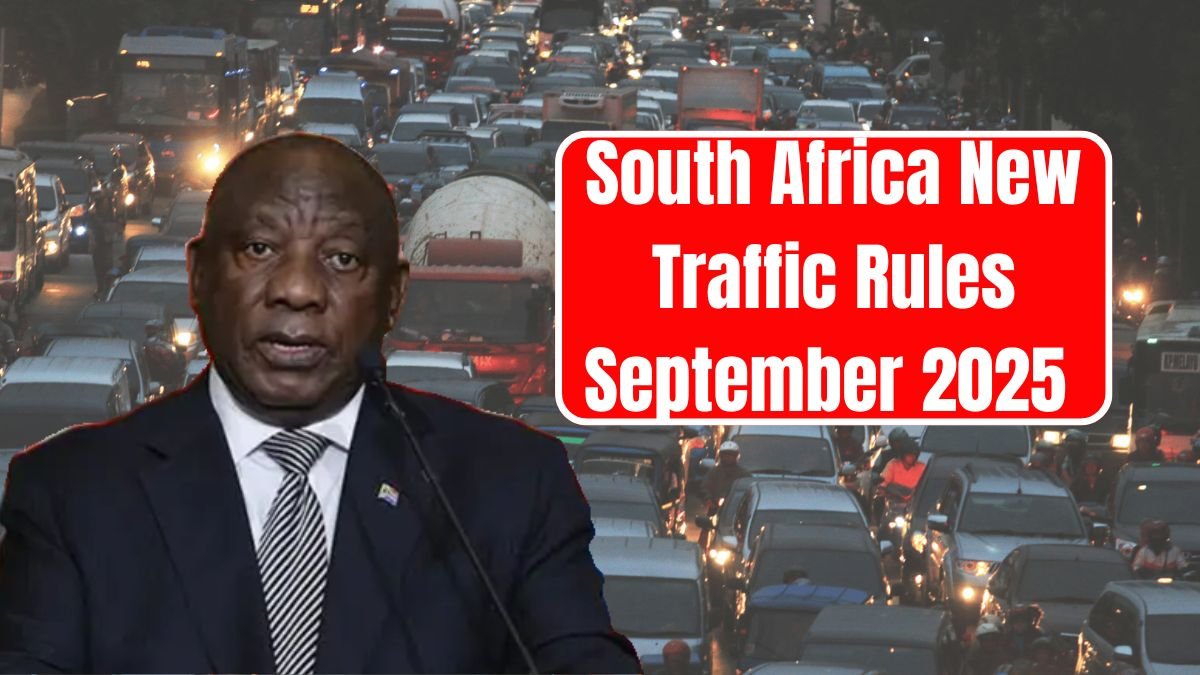
In South Africa, road users will be expected to adjust to an entirely new set of rules starting September 2025, encompassing additional restrictions, thus setting road safety and responsibility as foundations in this area. Contrary to the government’s standpoint that these laws will only counter-act the rates of accidents and deaths, some experts continue to maintain that these laws will potentially lead to exorbitantly high and unmanageable costs on a commuter-base.
Less And Less Entrepreneurs of Speed Attitude
The other major development has been increased enforcement of speed limits. It operates with cases of real-time monitoring with a strong emphasis on urban areas and school zones. The fines would be far higher, and suspension of driving licenses shall follow upon the second occasion. Seatbelt law enforcement is to be tightened while carrying safety kits such as reflective jackets and warning triangles have just been made compulsory for all drivers. This kit of safety equipment might be of little concern to an average family, but just think of the cost if the family has, say, five cars.
Vehicle Inspection and the Roadworthiness Standards
Among major changes affecting consumers directly is the fact that the annual roadworthiness test is now a must. Earlier, this test was mostly set up for commercial vehicles, but now, come September, all private vehicles would be subjected to such tests. Brakes, tyres, lights, and emissions are what a vehicle has to contend with during the test. While the test would serve to weed out unsafe vehicles, a motorist would be required to spend almost anything between R500 and R1,000 a year on certification. If the vehicles fail the test, they would need repairs before clearance to continue with driving: a factor making affordability questionable.
Fare Increases Expected in Public Transport
Taxi associations and bus operators have said the new traffic regulations are to push their costs up. A tougher license renewal, roadworthy testing, as well as high penalties for infringements, will leave the operators begging for fare increases of anything from 5 to 10%.This is worrying since millions of South Africans rely on public transport every day. An increase in fare rates would weigh hard on the low-income earners who already contend with the harsh cost of living.
Digital Driving Licence Rollout
By September the opening of the digital driving licence programme will unfold in South Africa, thereby phasing out older card licences. A motorist must register with the government-approved app and pay a minimal fee each year for the validity of his/her licence.The system is meant to reduce fraud and permit easier renewal of licences, but it is argued that this might be discriminatory to those drivers who do not have a cellphone or access to decent Internet facilities. Other arguments brought forth maintain that these are digital payments that amount to yet another cost above and beyond the existing licence fees.
Authorities Defend the New Rules
Government officials maintain that these regulations are essential to make the roads safer to save lives. South Africa, having almost one of the world’s highest road accident rates, needs measures more stringent than these.Road safety is not negotiable. While compliance may involved some costs, the price of unsafe roads is far greater,” said the Department of Transport in a statement.
Special Services Provided for Commuters
Installation of facilities and servicing of vehicles are selected:
- Serve the vehicle at various periods so that it may be roadworthy all the time.
- Budget for an annual vehicle inspection with a possible increase in fares.
- Get acquainted with speed zones and speed fines.
- Apply for digital licensing early so that there would be no delay.
also read : South Africa Electricity Tariff Hike October 2025 – NERSA Announces New Price Increase